You know, in the fast-paced world of beauty and skincare, picking the right cosmetic ingredients is super important for the quality and effectiveness of products. At Xi'an Jintai Biotechnology Co., Ltd., we totally get that the secret to great products starts with carefully choosing our raw materials. We’re all about quality control, making sure that every single ingredient comes from trusted sources that really meet our high standards for safety and quality. As brands strive to stand out in such a crowded market, it’s crucial to think about why choosing top-notch cosmetic ingredients really matters. In this blog, we’re going to dive into the amazing benefits of using high-quality materials and how they can boost product performance, keep customers happy, and ultimately build that brand loyalty that everyone wants. So, come along with us as we explore how these choices can seriously impact your product line's success!
The Growing Demand for Clean Beauty: Trends and Statistics for 2025
You know, the clean beauty movement is really picking up speed these days! More and more people are leaning towards products that not only work well but are also safe for our health and kind to the planet. A report from Grand View Research even predicts that by 2025, the global clean beauty market will hit a whopping $11.6 billion, with a steady growth rate of 9.6%. It’s pretty clear that folks are becoming increasingly aware of the potential health risks that come with synthetic ingredients, and they’re looking for more sustainable options in the beauty industry.
It turns out that consumers are craving transparency when it comes to what's in their beauty products. A survey by Statista from 2021 showed that over 70% of people view ingredient transparency as a key factor when buying beauty goods. Plus, according to Euromonitor International, nearly 30% of beauty shoppers worldwide are influenced by ethical concerns, like cruelty-free and eco-friendly certifications. Brands that focus on using high-quality, clean ingredients are not just meeting this demand—they're also setting themselves up for success in a market that's all about health and sustainability.
As we edge closer to 2025, it's clear that the clean beauty trend is going to keep gaining momentum, so it's really important for brands to keep adapting and innovating.
Understanding Consumer Preferences: Why Ingredient Transparency Matters
You know, the cosmetic industry is really going through some changes these days. People are becoming a lot more interested in what's actually in their products. Ingredient transparency is the name of the game now, and folks are really on the lookout for high-quality raw materials. It’s interesting—market analysts are predicting that the global skincare market will hit around $255.92 billion by 2037, growing at a solid 10.2% each year from 2025 to 2037. This growth is mostly fueled by consumers who are putting their skin health first and want products that have clear, trustworthy formulations. If companies can highlight the quality and transparency of their ingredients, they’re definitely positioning themselves to stand out in this booming market.
And let’s not forget about the vegan cosmetics trend! The market for vegan personal care products is valued at about $1.007 billion in 2023 and is expected to keep on growing at over 7% each year until 2032. This rise really shows how people are not just after effective products, but they also care a lot about sustainability and ethical sourcing. Over at Xi'an Jintai Biotechnology Co., Ltd., we take quality control super seriously. From the planting base all the way through to the finished products, we ensure the raw materials are safe and top-notch. By aligning our offerings with what consumers are increasingly asking for, we’re setting ourselves up nicely in a market that’s definitely getting more selective.
Top Cosmetic Ingredients to Look for in 2025: Efficacy and Safety Data
As we near 2025, the cosmetic industry is really stepping up its game. This shift highlights how crucial it is to use effective and safe ingredients, especially since consumers are becoming more educated about what they put on their skin. When it comes to creating products, it’s super important to focus on ingredients that actually work, backed by solid scientific research. Things like peptides, which help boost collagen production, and hyaluronic acid, famous for its amazing hydration powers, are definitely set to take center stage. These ingredients not only improve how your skin looks but also help keep it healthy in the long run. They’re pretty much must-haves for any brand that wants to stay ahead of the curve.
And let’s not forget – safety is a big deal for people these days. More and more brands are using naturally derived ingredients, like plant oils and extracts, as a standard practice. Ingredients such as squalane and vitamin C pack a punch when it comes to benefits while also being gentler on sensitive skin. With a growing focus on transparency and clean formulations, integrating these top-notch ingredients is a smart move. It not only meets what consumers are looking for but also helps build trust and loyalty. Looking ahead, it’s clear that the future of cosmetics will revolve around effectiveness and safety. Brands absolutely need to adapt and innovate to keep up with these changes.
Top Cosmetic Ingredients to Look for in 2025: Efficacy and Safety Data
Regulatory Changes Impacting Cosmetic Ingredient Choices in the Coming Years
You know, the cosmetic industry is changing a lot these days. With all that evolution, the rules and regulations are getting tougher, and that's really affecting the ingredients that brands choose. Over the last few years, governments worldwide have passed new laws to make sure products are safe and that companies are being transparent with what they put into their stuff. So now, brands really need to pay attention to what goes in their products because it’s not just about following the law anymore; it's about keeping their customers' trust. If a brand drops the ball on this, they could face some serious legal issues and, honestly, it could ruin their image.
But here's the thing: these new regulations bring both problems and chances for cosmetic companies. They're pushing brands to step up their game and invest more in research to find cool, safe ingredients that fit these new rules. Plus, focusing on cleaner, greener options is a great way to stand out in such a crowded market, especially with all these health-conscious consumers out there. As folks get more savvy about what’s in their beauty products, those brands that take compliance seriously and care about ingredient quality are probably going to come out on top. They might just end up setting the bar higher when it comes to quality and safety in the cosmetics scene.
The Economic Impact of High-Quality Ingredients on Product Success and Brand Trust
You know, the economic impact of using high-quality cosmetic ingredients on a product's success is huge—like, you can't really downplay it. When brands put in the effort to choose top-notch ingredients, they not only make their products work better and look more appealing, but they can also charge a bit more. These days, consumers are pretty savvy; they’re often ready to shell out extra cash for stuff that really works and is made from safe, ethically sourced ingredients. So, if a brand is sticking with cheap, inferior ingredients, they're probably gonna lose out to the competition that values quality over everything else.
And here's the thing—using high-quality ingredients can really elevate a brand’s reputation and build customer loyalty. When people find that a product actually delivers on its promises, it creates good vibes and keeps them coming back for more, not to mention they’ll tell their friends about it too. A solid reputation built on quality just fosters trust, and trust is what helps brands create those long-lasting relationships with their customers.
So, when you think about it, investing in high-quality ingredients isn’t just about making quick sales; it’s about planting the seeds for sustainable growth and boosting brand value in a pretty competitive market.
Sustainability in Cosmetic Ingredients: Key Trends and Consumer Expectations for 2025
As we look ahead to 2025, it's clear that sustainability in cosmetics isn't just a nice-to-have anymore—it's essential. You know how everyone’s talking about going green? Well, with the global market for cosmetic ingredients expected to skyrocket, brands are really feeling the heat to embrace eco-friendly practices. Just take the U.S. beauty and personal care market, which was valued at around $102.73 billion last year. It's projected to grow at a pretty impressive rate of 7.1% annually until 2030. This growth is mostly fueled by consumers who are demanding more transparency and ethical sourcing when it comes to what they put on their skin.
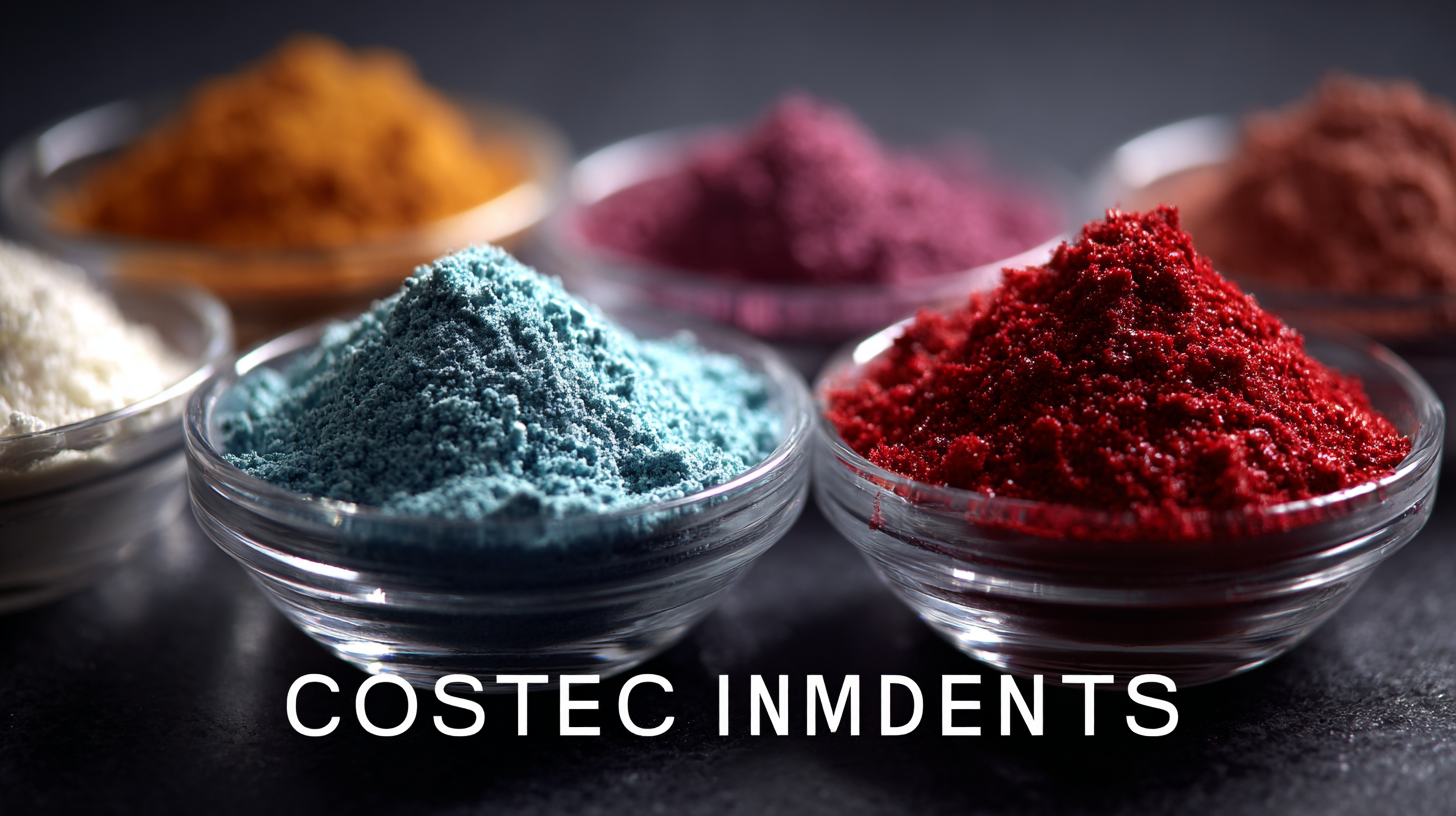
Lately, we've seen some cool advancements like AI-driven beauty diagnostics that are totally changing the game for personalized cosmetics, while also linking nicely with the sustainability trend. Reports about the Cosmetic Serum Market are showing a shift toward plant-based ingredients and bioengineered options that are set to take off, catering to the rising expectations for clean beauty. And let's not forget about the exciting innovations revealed at CES 2025, which showcase the industry's movement toward sustainable solutions in both cosmetics and kitchen products. It really shows how beauty is evolving to not just cater to our needs, but also to care for our planet. It’s an exciting shift toward environmentally friendly beauty formulations, don’t you think?
FAQS
: Regulatory frameworks are becoming increasingly stringent, requiring companies to prioritize safe, ethically sourced ingredients while ensuring compliance to avoid legal repercussions and damage to reputation.
Brands are encouraged to invest in research and development to discover innovative, safe ingredients and emphasize cleaner, greener formulations to attract health-conscious consumers.
Sustainability is becoming a necessity due to consumer demand for transparency and ethical sourcing, as well as projected growth in the global cosmetic ingredients market.
Trends include a shift towards plant-based actives, bioengineered ingredients, and AI-driven beauty diagnostics, all aligning with consumer expectations for sustainability and clean beauty solutions.
As consumers become more informed about product ingredients, brands that prioritize compliance and ingredient integrity are more likely to succeed and set new industry standards.
Innovation, particularly in sustainable ingredients and formulations, is crucial for brands to remain competitive and meet the emerging regulatory demands and consumer expectations.
The growth is largely driven by consumer demand for transparency and ethical practices in product formulations, with the market anticipated to reach approximately USD 102.73 billion by 2024.
Innovations such as AI-driven beauty diagnostics are reshaping personalization and aligning with sustainability trends, indicating a significant industry shift towards environmentally aware formulations.
By emphasizing cleaner, greener, and safer formulations that align with regulatory requirements, brands can attract consumers focused on health and sustainability.
Brands that do not comply may face legal repercussions and a loss of consumer trust, ultimately harming their reputation in the market.